

Overview
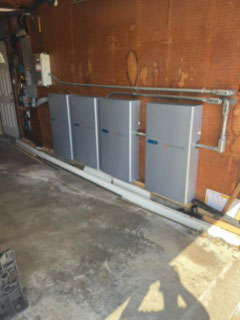
First Choice Electrical and Solar is the first certified installer of the EcoFlow OCEAN Pro home battery backup system in the state of Washington. This blog post will help you decide if the investment makes sense for you. We cover how these systems work, the key benefits of having one in your home, how an electrician plans an installation, and how to know definitively when booking an installation should be your next move.
Highlights
- Explaining battery backup
- How a backup system works
- Why you should install a solar battery system
- Whether a home backup battery is right for you
- How backup systems are installed
Introduction
Imagine a windstorm has been building all afternoon. Rain hits your windows sideways, and tree branches are bending under the gusts. A few hours later, the lights flicker, then suddenly, everything goes dark. The furnace shuts off, the wifi drops, and your fridge stops running.
Now imagine a different version of that same evening. The licks flicker, but stay on. The heat keeps running, and your refrigerator, security system, and internet continue without interruption. That’s the real appeal of a home battery backup system.
What Is a Home Battery Backup System?
A home battery backup system is a permanently installed energy storage unit that can connect directly to your electrical panel and store electricity for later use.
These modern battery backup systems function as part of a larger home energy setup. They manage power flow and switch easily between energy sources as conditions change. Designed for residential capacity, these systems can flawlessly support your entire home. Even with equipment running simultaneously, they deliver steady, reliable power without compromise.
How Does a Home Solar Battery System Work?
Under normal conditions, your home solar battery system prioritizes storage, but the system constantly evaluates incoming and outgoing power so it can be directed as needed.
When an outage occurs, the system responds automatically. It begins supplying stored energy to your home within seconds. This transition is seamless, allowing daily or nightly activities to continue without the interruption typically associated with power loss. Once power is restored, the system reconnects and resumes charging, preparing for the next disruption.
With the right equipment, you can still support:
- Home Wi-Fi and internet connectivity
- Interior and exterior lighting
- Refrigeration and freezer units
- Heating and cooling systems
- Sump pumps and well pumps
- Security systems and cameras
- Televisions and entertainment systems
- …and more
Why Should You Install a Solar Battery System?
Maybe you’re tired of losing power every time a windstorm rolls through. Maybe you work from home and can’t afford unexpected downtime. Or maybe you simply want greater control over how your home stores and uses energy. Everyone has a different reason for considering a solar battery system, but the goal is often the same: keeping your home prepared when the grid falls short.
Below are some of the top benefits.
Reliable Backup Power During Outages
For many homeowners, the decision to install a battery backup system begins with a single outage that lasts longer than expected. Power failures interrupt routines and expose how dependent modern households are on steady electricity. Weather events and strained infrastructure can leave entire neighborhoods waiting in the dark, and that creates uncertainty that’s difficult to tolerate.
Reliable backup power also prevents the chain reaction that follows an outage. Food stays preserved instead of ending up in the trash. Work meetings continue without scrambling for a phone hotspot. Garage doors open, alarm systems remain active, and evening routines carry on without candles and flashlights. That’s the reassurance that makes backup power a worthwhile investment for many.
Protection for Essential Home Systems
Sudden loss of power can hurt your equipment, often irreparably. When service returns, voltage fluctuations can place additional strain on sensitive electronics. Racing to unplug everything when the lights go out is neither practical nor realistic, especially in the middle of the night or during a storm.
Home office equipment, smart home components, and connected devices are particularly vulnerable during these abrupt transitions. In some cases, the damage is immediate. In others, repeated stress shortens equipment lifespan and leads to repair needs that come up later.
With a battery backup system, there’s no interruption or equipment damage to fear. The continuity simply protects the moment you’re in when power happens to drop.
Increased Home Value and Energy Resilience
A solar battery system positions your home as forward-thinking and prepared, and buyers are increasingly on the lookout for properties that offer stability during outages and lower long-term energy costs. If your home is equipped with integrated energy storage, it’ll stand out by default.
You can thank “energy resilience” for that. Most properties rely on the grid, and while that system works under normal conditions, it still leaves you exposed. There are far too many outages, storm events, and infrastructure disruptions to call that resilient. Increased energy capability, with multi-source backup options that support your lifestyle, strengthens an independence that you can market.
Lower Energy Bills With Smart Energy Storage
Utility rates can be a constant source of worry for homeowners. Monthly bills fluctuate, peak pricing adds pressure during high-demand hours, and long-term energy costs feel horribly unpredictable. Many people begin exploring battery storage not only for backup power, but as a way to gain better control over how and when electricity is used.
Over time, with smart storage, strategic energy use can help offset the initial investment and create more predictable utility expenses.
Here’s what that can look like:
- Off-peak charging: Store electricity overnight when rates are lower and use that stored power during high-cost afternoon hours.
- Peak-hour avoidance: Reduce grid reliance during time-of-use rate windows when electricity is most expensive.
- Solar energy retention: Store excess solar production for evening use instead of exporting it back at lower credit rates.
- Seasonal bill stabilization: Offset heavy winter or summer consumption with stored energy to smooth out monthly fluctuations.
- Usage control: Adjust major consumption periods to stored energy rather than drawing entirely from the grid.
Energy Storage That Looks as Good as It Performs
It may seem like adding a battery system means sacrificing space or design. Many homeowners hesitate because they picture a bulky industrial box mounted in the garage or along an exterior wall, something clunky and conspicuous that disrupts the look of an otherwise finished space.
The difference comes down to choosing the right unit. A qualified electrician can walk you through options that blend naturally into your home. Many modern systems are available with refined finishes, streamlined profiles, integrated LED displays, and material options, such as aluminum, wood accents, or carbon fiber detailing.
With thoughtful placement and the right design, energy storage can feel like a purposeful upgrade rather than one that demands some compromise.
How Do You Know if a Solar Home Battery Is Right for You?
Despite the clear benefits, you may still hesitate before committing to a solar home battery. It’s a significant upgrade, and any major home improvement deserves careful consideration.
You’ll know it’s the right move when you value reliability and control more than anything. As you know, power interruptions create unnecessary stress. If you find yourself worrying about or planning around potential outages, that’s often the clearest sign that energy storage makes sense for your home.
If that’s not enough, consider one common thread among homeowners who choose to install these systems: independence. The ability to rely less on outside infrastructure is a relief that carries through every season, giving you confidence that your home can always stand on its own.
How Does an Electrician Install Your Backup System?
You need an electrician with the right certification to install your backup system. These systems connect directly to your home’s electrical infrastructure and must be integrated safely with the panel, utility service, and any existing solar equipment. Proper certification ensures the installer understands load calculations, local code requirements, permitting, utility coordination, and user nuances.
The installation begins with an assessment. Your electrician evaluates your current panel, reviews available space for placement, and determines how the system will connect to your power supply.
Next steps include:
- Securing the battery system in its designated location
- Installing a dedicated backup interface
- Running conduit and wiring between the battery, panel, and power source
- Integrating the system with existing solar equipment (if applicable)
- Configuring system settings based on your needs
Customization is an important part of this process. If you have questions about coverage, placement, or how the system will function, this is when those details are clarified. Your electrician can walk you through load priorities and answer any technical concerns to ensure there are no surprises.
Get Expert Battery Backup System Installation
First Choice Electrical and Solar is helping lead the shift toward advanced home energy solutions with professional battery backup system installation. We’re licensed and certified to install the OCEAN Pro system, one of the most advanced platforms on the market. Every installation is completed with careful workmanship, backed by warranty protection and post-installation follow-up as needed.
If you’re ready to strengthen your home with a professionally installed battery backup system, call (206) 608-4468. Our team is prepared to guide you through the next steps.